
Delicious Suji ka Halwa Recipe – A Classic Indian Dessert Loved by All
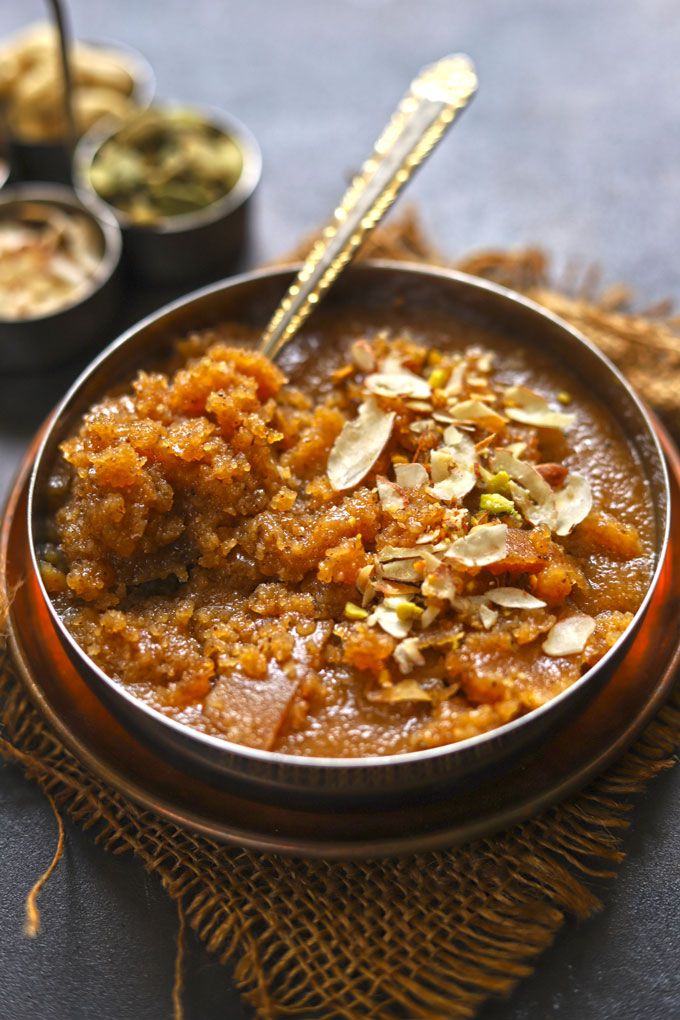
Suji ka Halwa is one of the most loved, quick, and comforting Indian desserts. Whether it’s a festive celebration, a family gathering, a sudden sweet craving, or a special prasad for prayer rituals, this halwa never fails to impress. Made with just a few essential ingredients—semolina, ghee, sugar, and water—this dish is simple yet incredibly flavorful.
In this blog, we will explore everything about Suji ka Halwa, including what it is, why it is popular, ingredients, a step-by-step cooking method, tips, variations, common mistakes, and serving ideas.
What is Suji ka Halwa?
Suji ka Halwa (also called Rava Halwa or Sheera) is a traditional Indian sweet dish prepared using roasted semolina (suji), sugar, water, and ghee. It has a rich aroma, a soft texture, and a comforting sweetness that makes it a favorite dessert across Indian households.
This halwa is not only delicious but also quick to prepare, making it suitable for both beginners and experienced cooks.
Why is Suji ka Halwa So Popular?
Here are the main reasons why Suji ka Halwa is a timeless Indian dessert:
- ✔ Quick & Easy — Takes only 10–15 minutes
- ✔ Requires very few ingredients
- ✔ Perfect for festivals, pooja prasad, and special occasions
- ✔ Loved by both kids and adults
- ✔ Light on the stomach
- ✔ Customizable — Can be made with milk, added nuts, or flavored with saffron
Its universal appeal and versatility make it a go-to sweet dish for many Indian families.
Ingredients for Suji ka Halwa (Serves 2)
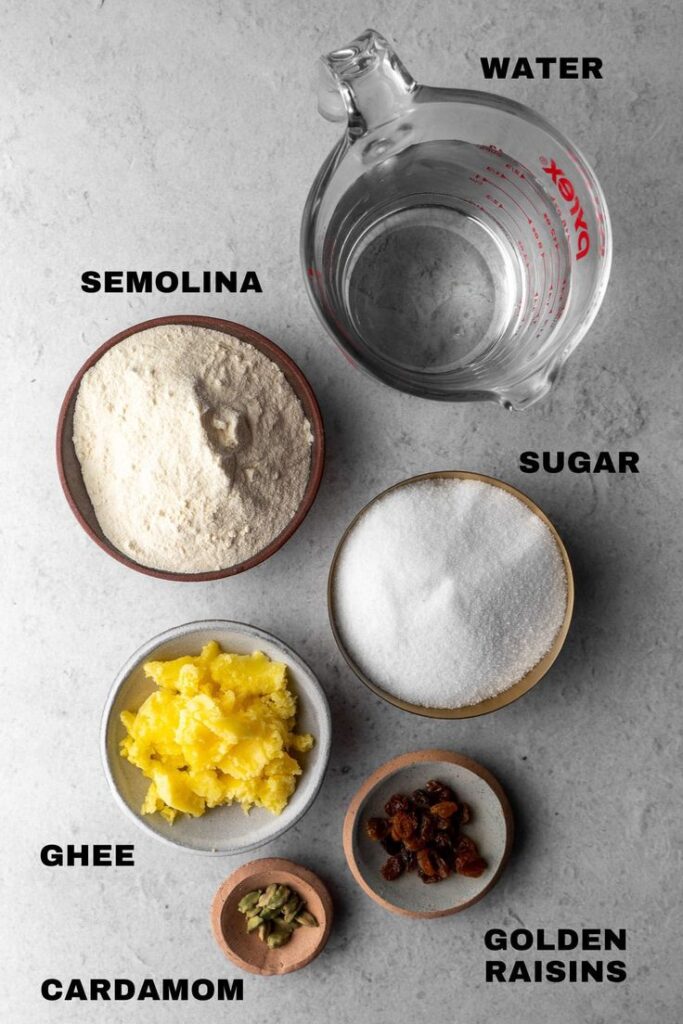
- ½ cup semolina (suji/rava)
- ½ cup sugar (adjust as per taste)
- 3–4 tbsp ghee
- 1.5 cups water (or half milk + half water for richer flavor)
- ¼ tsp cardamom powder
- 1–2 tbsp chopped cashews & almonds
- 1 tbsp raisins
How to Make Suji ka Halwa ( 6 Easy Step-by-Step Recipe)
Step 1: Heat Ghee & Roast Dry Fruits
In a pan, heat ghee and lightly fry cashews, almonds, and raisins. This enhances the aroma and gives a satisfying crunch to the halwa.
Step 2: Roast the Semolina
Now add suji to the remaining ghee and roast it on low-medium flame until it turns slightly golden.
You should smell a pleasant nutty aroma. This step is extremely important because perfectly roasted suji gives the halwa its ideal flavor.
Step 3: Boil Water or Milk
In another pot, heat water or a water-milk mixture until it comes to a boil.
Hot liquid prevents lumps and helps the halwa cook evenly.
Step 4: Add Water to the Roasted Suji
Carefully pour the hot water/milk mixture into the roasted suji while stirring continuously.
The suji will absorb the liquid and start to thicken.
Step 5: Add Sugar & Flavoring
Once the mixture thickens slightly, add sugar.
The halwa will loosen a bit; keep cooking until it reaches your desired consistency.
Add cardamom powder for fragrance.
Step 6: Garnish & Serve
Mix the fried dry fruits back into the halwa, switch off the flame, and serve hot.
Your soft, aromatic, and delicious Suji ka Halwa is ready!
Tips to Make the Best Suji ka Halwa
- Always roast the suji properly — This prevents raw taste.
- Use hot water to avoid lumps.
- Add more ghee if you prefer a richer halwa.
- Half milk + half water makes a creamier version.
- Add saffron strands for a royal touch.
Common Mistakes to Avoid
- ❌ Adding cold water — causes lumps
- ❌ Roasting the suji on high flame — it burns quickly
- ❌ Adding sugar too early — halwa won’t roast correctly
- ❌ Too much water — makes it sticky instead of fluffy
Variations of Suji ka Halwa
- Milk Halwa – Replace all water with milk for extra richness.
- Kesari Sheera – Add saffron and yellow food color.
- Banana Sheera – Add mashed banana, popular in South India.
- Dry Fruit Halwa – Add lots of nuts for festival celebrations.
Serving Ideas
- Serve hot as pooja prasad
- Pair with puri for a classic Indian breakfast
- Serve after meals as a simple dessert
- Add extra ghee for a melt-in-mouth texture
Conclusion
Suji ka Halwa is more than just a dessert—it’s an emotion, a tradition, and a comfort food. With simple ingredients and a quick preparation process, it is perfect for any occasion. Whether you’re cooking for a celebration or just craving something sweet, this halwa is always a great choice.
Try this recipe at home and enjoy the warm, delicious flavors of this classic Indian sweet dish!